
An oil-sealed vacuum pump is not the same machine as a vacuum booster: it usually serves as the backing pump that lets a Roots booster operate safely and efficiently. By matching the pump pair to pressure, gas load, contamination, conductance and duty cycle, you can decide whether the arrangement will shorten pump-down time or create an avoidable maintenance and contamination problem.
Key takeaways
- Use the booster only after the backing pump reduces inlet pressure.
- Size the backing pump to handle gas load and booster discharge pressure.
- Install traps, filters and separators to protect oil and product.
- Require pumping speed, ultimate pressure and allowable differential-pressure data.
What does “booster duty” mean in a manufacturing vacuum system?
Booster duty means increasing pumping speed after a backing pump has already created a vacuum; it does not mean creating vacuum from atmospheric pressure. In manufacturing, the booster is normally a Roots-type positive-displacement machine installed in series with an oil-sealed rotary-vane pump.
An oil-sealed pump is therefore not itself a booster. It can be the backing stage for one when the process gas is compatible with the oil and moderate cleanliness is acceptable.
The backing pump pulls the chamber through the booster’s allowable differential pressure; the booster starts only after its inlet and outlet pressures are suitable, or after an automatic bypass opens. Starting it against atmosphere can overload the motor and damage the machine.
This arrangement is practical across part of the rough- and medium-vacuum range, where the booster supplies higher pumping speed than the backing pump alone. It does not automatically produce a lower ultimate pressure: that limit still depends on the backing pump, leaks, outgassing and system conductance.
That distinction matters when assessing oil sealed vacuum pump booster use or comparing oil sealed vacuum pumps for manufacturing booster applications.
A manufacturing package commonly includes:
- A backing pump and Roots booster in series
- Isolation and bypass valves for controlled booster engagement
- A non-return valve to prevent reverse flow
- Vacuum gauges on the chamber and pump stages
- Filters, condensers or traps for process vapour and particles
- A receiver or buffer volume for cyclic demand
How should you arrange and size the backing pump and booster?
Size the system from chamber volume, target pressure and pump-down time, not from the booster’s advertised displacement. For a clean, non-leaking chamber, estimate required effective speed with S = V/t × ln(Pstart/Ptarget); continuous gas load then adds Q/S to the achievable pressure.
Leakage and outgassing increase Q, so a nominal speed that works on paper can fail in production.
Give the supplier these design inputs:
- Chamber volume, starting pressure, target pressure and permitted pump-down time
- Continuous and peak gas load, including leakage, vapour and particulate load
- Process-gas composition, operating temperature, duty cycle and acceptable oil contamination
- Required exhaust cleanliness and the target pressure at the chamber, not only at the pump inlet
Install a Roots-type booster in series with an oil-sealed rotary-vane backing pump. Start the backing pump first, or use an automatic bypass, because the booster’s differential-pressure limit prevents normal operation from atmospheric pressure. Size the backing pump to maintain that limit while carrying the booster’s gas throughput at the intended pressure.
Usable chamber speed is lower than booster displacement because piping, valves, filters, separators and inlet conductance restrict flow. Place isolation and non-return valves around the booster, and put a vacuum gauge at the chamber; a receiver or buffer volume can reduce pressure swings.
For vacuum pumps for manufacturing plants, oil sealed pump selection must use speed curves at operating pressure, gas-ballast condition and motor frequency—not catalogue ultimate pressure alone.
What contamination controls protect the oil, product and downstream equipment?
Liquid carryover can destroy suitability faster than a pressure specification reveals. Water and solvents dilute, oxidize or emulsify pump oil; dust scores moving parts, while oil vapour can contaminate the product, gauges, booster and exhaust system.
Match each control to the contaminant and its location:
- Set gas ballast during water or condensable-vapour service. It reduces condensation in the oil, but raises ultimate pressure and lowers effective pumping speed; a dry blank-off test with ballast closed does not represent wet production.
- Install an inlet filter for dust and a separator or knock-out pot for liquid slugs. Gas ballast cannot protect against bulk liquid carryover.
- Use an inlet trap, cold trap or condenser when solvents and process vapours enter the line. Drain it before breakthrough, because a saturated trap passes vapour to the pump.
- Fit an exhaust mist eliminator to reduce oil aerosol reaching the workspace or downstream equipment. Add a foreline trap where oil migration toward a booster or chamber matters; neither device makes the system oil-free.
- Place isolation valves between the chamber, traps and pump so a failed separator or shutdown pump cannot backstream oil or release trapped liquid.
- Require a pump configured and approved for corrosive, oxygen-rich, flammable or reactive gases. Materials, seals, oil, purge gas and electrical protection must match the chemistry.
Oil sealed pump selection is a poor fit where the chamber requires intrinsically oil-free vacuum, including contamination-sensitive coating, semiconductor or analytical work. A dry pump is safer when residual oil vapour is unacceptable.
Which specifications should you require before buying a booster package?
Require a validated operating envelope, not a motor size and an ultimate-pressure claim. For vacuum pumps for manufacturing plants, the supplier must match the booster and backing pump to your chamber volume, target pressure, pump-down time, continuous and peak gas loads, and conductance.
Ask for these items in writing:
- Pumping-speed curves at the actual inlet pressures, gas load, temperature and frequency; include power consumption and cooling requirements.
- Maximum allowable booster differential pressure, starting pressure, bypass capacity and automatic engagement setpoint. The package must prevent the Roots stage from starting against atmospheric pressure.
- Duty-cycle limits covering starts per hour, pump-down duration, continuous operation, hot shutdowns and restart after condensable exposure.
- A P&ID showing isolation, bypass and non-return valves, gauges, receiver or buffer volume, inlet filter, knockout vessel, condenser and exhaust separator.
- Compatibility confirmation for every process gas, including oxygen concentration, flammability, corrosivity, vapour, dust and liquid carryover. Specify oil, elastomer, seal, purge and electrical-equipment requirements.
- Maintenance intervals, oil capacity and grade, filter and separator pressure-drop limits, inspection points, alarm setpoints and spare-parts availability.
Compare the supplier’s proposed evidence against the duty you actually run:
| Duty condition | Require validated evidence | Reject if |
|---|---|---|
| Intermittent, wet process | Condensate capacity, gas ballast and cooling data | Oil dilution or overheating is unaddressed |
| High gas load | Curves at peak flow and temperature | Only no-load speed is quoted |
| Reactive or oxygen-rich gas | Material, oil and ignition-control approval | A standard configuration is assumed |
Airprax Pneumatics LLP can use these inputs in booster pump sales and service to distinguish a workable package from an oversized pump that fails under your cycle.
Related products
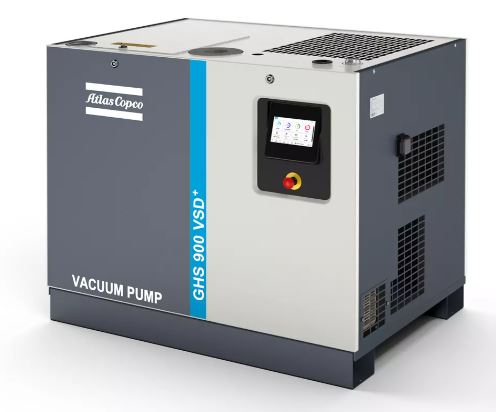 | Vacuum Products Airprax Pneumatics LLP, Bangalore, offers reliable oil sealed vacuum pumps designed to generate consistent and efficient vacuum performance for a... View product → |
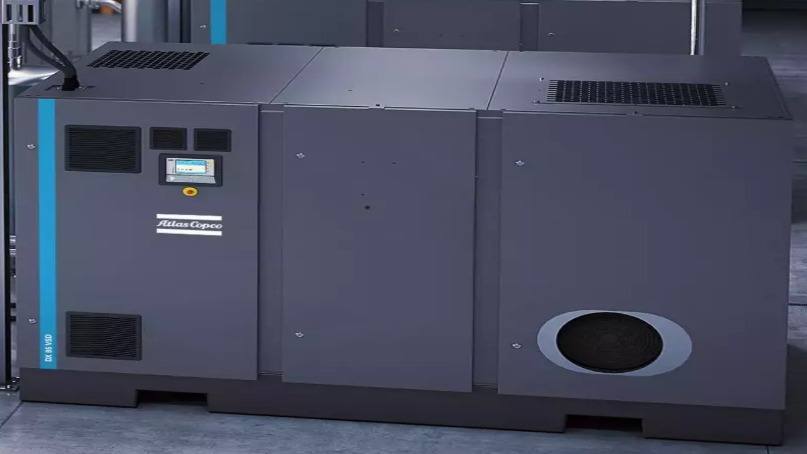 | Air Compressor Airprax Pneumatics LLP, Bangalore, offers oil-free air and gas boosters designed to efficiently increase the pressure of compressed air and gases for... View product → |
When is an oil-sealed pump and booster the right manufacturing choice?
Choose the combination when your process needs high pumping speed in the rough- or medium-vacuum range, but does not require oil-free conditions at the chamber. The oil-sealed pump serves as the backing stage; the booster increases throughput over its effective operating range, not the ultimate pressure beyond what the backing pump and system can achieve.
Oil sealed vacuum pumps for manufacturing booster applications are a sound choice when all of these conditions apply:
- The process gas is compatible with the oil, seals, elastomers and pump materials.
- Moderate cleanliness is acceptable, with oil mist eliminators, inlet traps or condensers controlling carryover.
- The gas load is high enough to justify added pumping speed; for sizing, use Q = p × S at the chamber or process connection.
- Filters, knockout vessels or separators can handle liquids and particles without creating excessive pressure drop.
- The duty cycle and peak gas load remain within the booster and backing-pump limits.
Oil sealed pump booster use is a poor fit for oil-free coating, semiconductor, analytical or gas-generation processes. Choose a dry pump or another design when contamination control dominates, or when oxygen-rich, flammable, corrosive or reactive gases require special materials, purge arrangements or explosion-protected equipment.
A low-gas-load process that mainly needs low ultimate pressure may not justify a booster. Confirm gas composition, vapour content and acceptable oil contamination before oil sealed pump selection; pressure and flow figures alone do not validate the package.
Frequently asked questions
What does booster duty mean in a manufacturing vacuum system?
Booster duty means increasing pumping speed after a backing pump has reduced pressure. A Roots-type positive-displacement booster does not normally evacuate a chamber from atmospheric pressure by itself.
How should you arrange and size the backing pump and booster?
Install the booster in series between the process chamber and the oil-sealed backing pump. Size the backing pump for the booster’s discharge pressure, total gas load and required pumpdown time, then confirm the booster’s operating pressure range.
What contamination controls protect the oil, product and downstream equipment?
Use inlet filters, condensers or traps, oil mist separation and suitable isolation valves for the process. Match each control to dust, vapour or chemical load, and prevent condensate from reaching the rotary-vane pump oil.
Which specifications should you require before buying a booster package?
Request pumping speed curves, ultimate pressure, allowable differential pressure, maximum inlet pressure, motor power, cooling requirements, oil type, service intervals and control or interlock details.
When is an oil-sealed pump and booster the right manufacturing choice?
Choose the combination when you need higher pumping speed at low pressure and the process gas is compatible with hydrocarbon pump oil. Select a dry pump when oil backstreaming, reactive gases or product contamination rules out oil sealing.