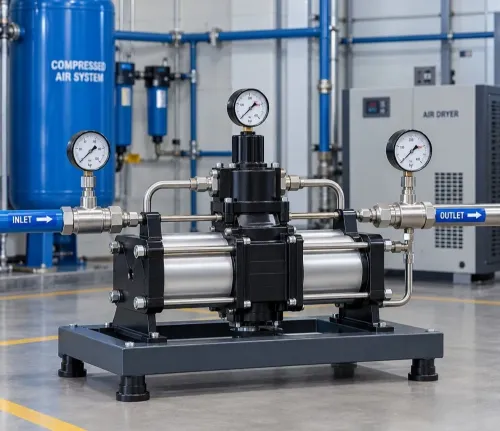

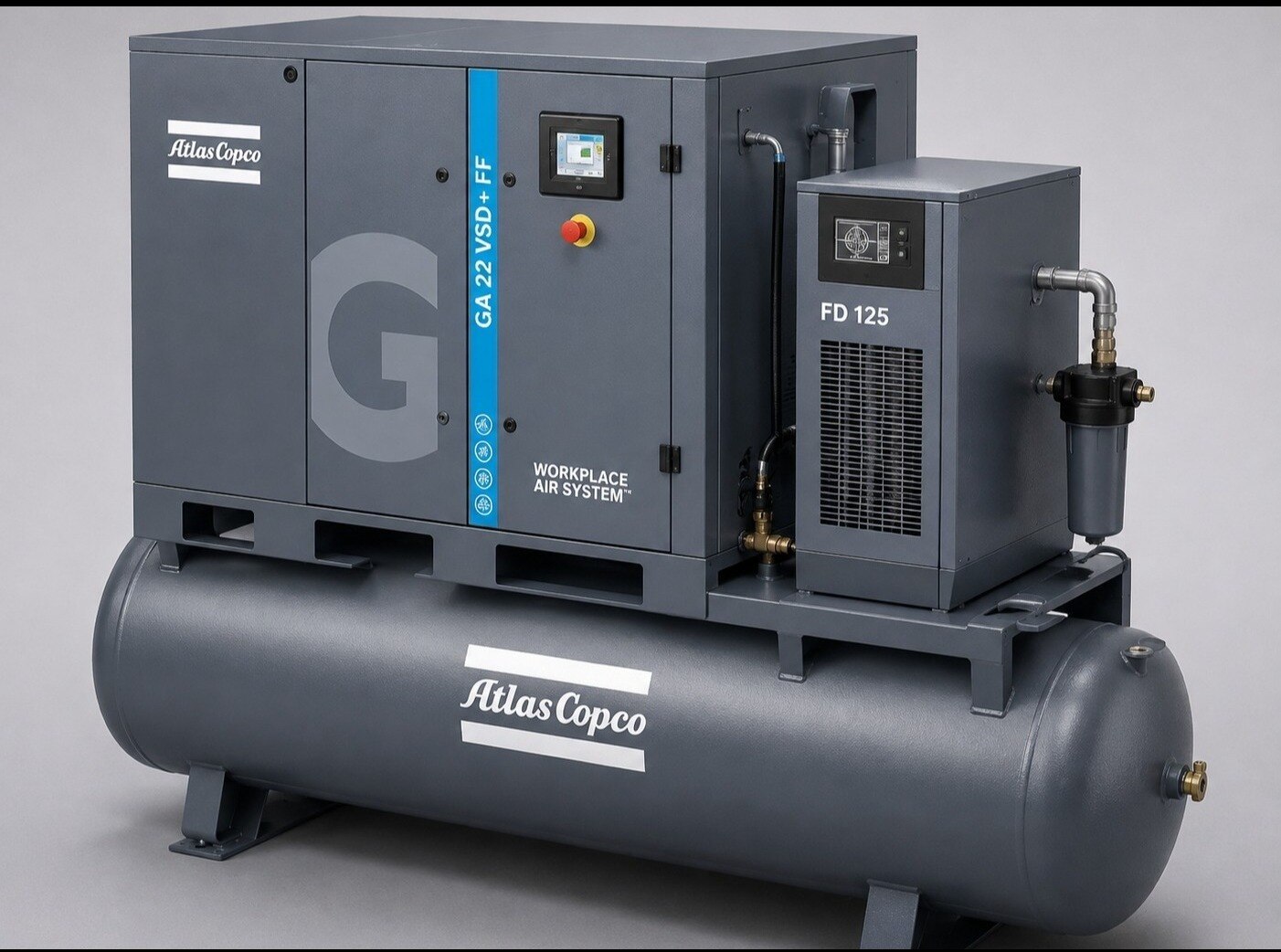
Low pressure at a production tool does not prove that the compressor has failed: the restriction may sit in a filter, dryer, valve, hose or distribution line. By the end, you will be able to isolate the pressure loss, separate capacity faults from control faults, protect air quality and choose the right repair or upgrade without simply raising the setpoint.
Key takeaways
- Measure pressure and flow at the process connection before replacing compressor parts.
- Compare readings across filters, dryers, valves, hoses and regulators to locate pressure loss.
- Test air quality at the point of use, not only at the compressor outlet.
- Match repairs, boosters or replacements to required pressure, flow and contamination limits.
Measure the pressure loss before changing compressor parts
Air compressor troubleshooting clean production begins at the process connection, not at the compressor display. Record the pressure and flow while the plant is running normally, then compare readings along the route. A pressure loss that appears after one component identifies the section to inspect before you replace a valve, sensor or compressor element.
1. Record the compressor’s set pressure, loaded pressure, unloaded pressure, receiver pressure and actual flow demand. Note which machines are operating and whether pressure falls only during simultaneous use.
2. Fit calibrated gauges, or verify installed gauges against a calibrated reference, at the compressor outlet, receiver, dryer inlet and outlet, each filter inlet and outlet, the ring main and the machine inlet. Record readings at the same time under load.
3. Calculate each pressure drop by subtracting the downstream reading from the upstream reading. A sharp drop across a filter points to loading; a loss between the ring main and machine points to undersized pipework, a closed valve or a leak.
4. Check the inlet filter and inlet restriction before changing pressure controls. High inlet temperature, altitude and fouled coolers reduce delivered mass flow even when discharge pressure looks normal.
5. Inspect the leak condition during normal operation and, where practical, during non-production hours. Use ultrasonic detection to locate leaks, then estimate loss from measured flow and operating hours.
This evidence helps fix high pressure air for compressor problems in clean production without confusing a distribution fault with compressor failure. Keep the pressure, flow, dew point, filter differential-pressure and safety-device readings in the service record.
Separate compressor capacity faults from distribution and control faults
Measure pressure at the compressor outlet, receiver, dryer, filter, ring main and machine inlet while production is running. Record set pressure, loaded and unloaded pressure, receiver pressure, flow demand and point-of-use pressure with calibrated gauges. The first location showing abnormal loss identifies the fault zone.
| Source | What the readings indicate | Checks to make |
|---|---|---|
| Compressor | Outlet pressure falls under load, or the unit trips high | Inspect inlet restriction, dirty inlet filter, high inlet temperature, altitude, blocked coolers and failed cooling fans. Check pressure-switch settings, pressure transducer accuracy, closed discharge valves and the unload or blowdown system. |
| Network | Compressor and receiver remain stable, but pressure drops across the dryer, filter, ring main or branch | Measure filter differential pressure under flow, not at idle. A stuck drain, undersized pipe, blocked filter or major leak can create a compressor-like symptom. |
| Demand | Pressure is acceptable until several machines start or one process peaks | Compare flow demand with compressor capacity, then isolate simultaneous starts, leaks and abnormal consumption at the machine. |
For oil free air compressor pressure problems, do not raise the setpoint first. Higher pressure increases leakage and energy use while hiding a blocked filter, failed regulator or undersized line.
Check the aftercooler, moisture separator, automatic drain and dryer together; liquid water from a failed drain can restrict the network and create a false capacity diagnosis.
Prove that the air is clean at the point of use
An oil-free compressor does not prove oil-free air at the process connection. ISO 8573-1 classifies particles, water and oil, including liquid oil, aerosol and oil vapour. Intake contamination, pipe scale, seal wear, dirty filters and lubricant from downstream equipment can still reach the tool.
Trace water as a system, not as a compressor-element fault. Check the aftercooler, moisture separator, automatic drain and dryer; a failed zero-loss drain or stuck-closed valve carries liquid into the ring main, where it causes corrosion, contamination and pressure loss. Record dew point at the point of use, especially after hot, humid or monsoon operation.
Use calibrated gauges and sample while production is running. Compare compressor discharge, receiver, dryer outlet, final-filter outlet and machine inlet pressure; measure flow and filter differential pressure at the same time. A normal compressor gauge proves nothing if an undersized pipe, closed valve, leaking hose, saturated filter or dryer restriction consumes the pressure downstream.
For air compressor troubleshooting clean production, collect evidence in this order:
- Confirm the user’s required ISO 8573-1 particle, water and oil class at the process connection.
- Inspect the inlet filter, inlet restriction and cooler condition before changing pressure controls; restricted intake and high temperature reduce delivered mass flow.
- Test representative air samples under operating load, not only against a factory certificate.
- Record pressure, flow, dew point, filter differential pressure, leak status and safety-device condition.
Oil free air compressor pressure problems are resolved only when these results meet the written point-of-use specification. “Compressor serviced” is not proof.
Choose the right repair, booster or replacement for high-pressure service
Repair the compressor when testing finds a defined fault and the machine still meets required flow: a restricted inlet filter, fouled cooler, failed fan, faulty transducer, incorrect pressure switch, closed discharge valve, or defective unload system. Replace parts only after recording loaded pressure, unloaded pressure, receiver pressure and process demand.
| Option | What it solves | When it applies |
|---|---|---|
| Repair | Restores lost capacity or control | The compressor is correctly sized and one fault explains the pressure loss |
| Add receiver storage | Covers short demand peaks | Pressure falls briefly during tool cycling, then recovers as the compressor catches up |
| Install larger pipework | Reduces friction and filter or valve losses | Pressure is adequate at the receiver but low at the machine inlet |
| Add compressor or variable-speed unit | Provides sustained capacity or better load matching | Demand exceeds available flow, or fluctuates enough to cause repeated starts and trips |
| Use a booster | Raises pressure for a local user | The plant network supplies enough air, but one process needs higher pressure |
Do not use a booster to hide an undersized compressor or blocked filter. It increases energy use and leaves the underlying restriction in place.
To fix high pressure air for compressor problems in clean production, confirm the chosen remedy at the process connection under load.
For high pressure air compressor service in Bangalore, Airprax Pneumatics LLP can help structure an acceptance record showing pressure, flow, dew point, ISO 8573-1 particle, water and oil results, filter differential pressure, leak status and safety-device condition.
Related products
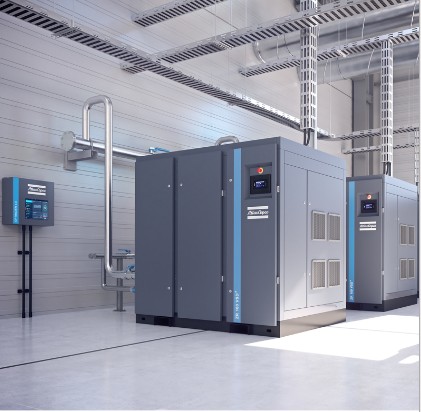 | Air Compressor Airprax Pneumatics LLP, Bangalore, offers high-performance Rotary Screw Air Compressors designed to provide a reliable, continuous, and efficient... View product → |
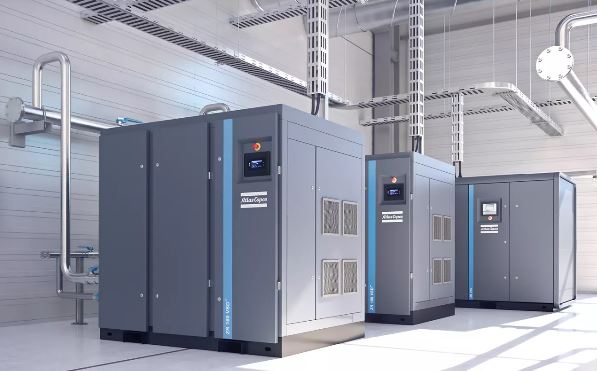 | Air Compressor Airprax Pneumatics LLP, Bangalore, offers reliable oil free air compressors designed to deliver clean, high-quality compressed air without the risk... View product → |
Verify the correction and prevent a repeat production stoppage
Release the line only after a documented acceptance test shows that high-pressure clean-production air meets the process limit at the process connection, not merely at the compressor outlet. Record the result against the original failure condition.
The acceptance record should include:
- Loaded and unloaded pressure, delivered flow, receiver pressure and process-connection pressure, measured with calibrated instruments.
- Pressure dew point, ISO 8573-1 particle, water and oil results where specified; oil includes liquid, aerosol and vapour.
- Differential pressure across each filter, measured under production flow rather than at idle.
- Aftercooler, moisture separator, automatic drain and dryer checks, including evidence that no liquid water entered the network.
- Leak-test result, cooler and fan condition, discharge-valve position, unload or blowdown operation, and tested safety-device settings.
- Compressor run hours, replaced parts, calibration dates, technician findings and the next service interval.
Keep trend data for pressure, flow, dew point and filter differential pressure through a representative peak-demand run. A repaired unit that passes at no load can still fail during a hot, humid shift.
Escalate before restarting production if any purity result fails, pressure or flow falls below the approved limit, a drain remains unreliable, a safety device does not operate, or the same alarm returns.
Apply this air compressor troubleshooting clean production checklist after every high pressure air compressor service in Bangalore, and require engineering sign-off before the line resumes.
Frequently asked questions
Where should you start when troubleshooting clean-production compressor problems?
Start at the process connection. Record pressure and flow during normal production, then compare readings along the air route.
How do you separate compressor faults from distribution faults?
Measure pressure before and after filters, dryers, valves, hoses and regulators. A pressure drop after one component identifies the section to inspect.
How can you prove compressed air is clean at the point of use?
Test the air at the process connection for oil, particles, water and other specified contaminants rather than relying only on compressor-outlet readings.
When should you choose a repair, booster or replacement?
Choose based on the required pressure, flow, air-quality limit, duty cycle and the measured source of the problem.
Related products
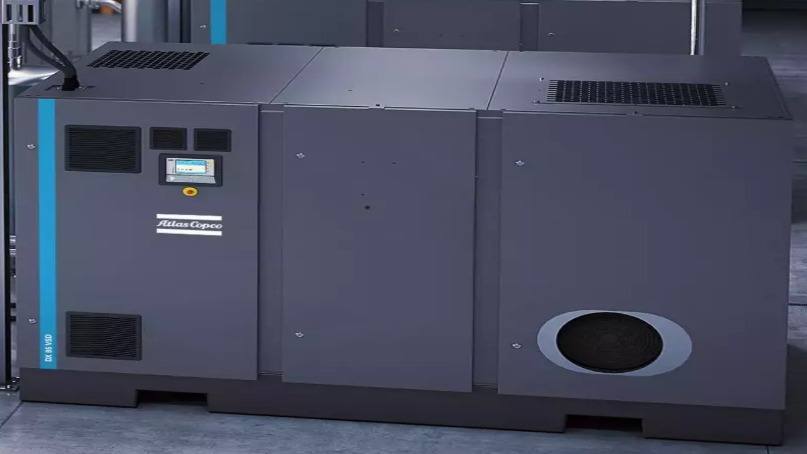 | Air Compressor Airprax Pneumatics LLP, Bangalore, offers oil-free air and gas boosters designed to efficiently increase the pressure of compressed air and gases for... View product → |
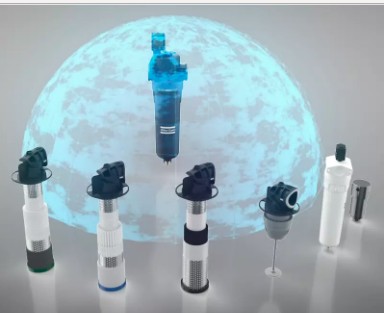 | Compressor Products Airprax Pneumatics LLP, Bangalore, offers high-quality Air Filters designed to provide efficient filtration of compressed air and protect pneumatic... View product → |