
A booster package is not simply a larger vacuum pump: it combines a Roots booster with a correctly sized backing pump, controls, protection, and process-side filtration. You will be able to compare package configurations, verify Bangalore stock and service support, and reject unsuitable equipment before requesting a quotation.
Key takeaways
- Match the booster to pressure, gas load, and required process cleanliness.
- Confirm the booster’s allowable differential pressure before approving the backing-pump combination.
- Request a written installation plan covering oil, seals, valves, filters, and contamination controls.
- Compare ownership effort, including oil changes, leak checks, service access, and spare parts.
What an oil-sealed vacuum booster package actually contains
A booster is a Roots pump placed in series with an oil-sealed rotary-vane or piston backing pump. It increases pumping speed through part of the pressure range; it does not replace the backing pump and is not normally started at atmospheric pressure. Exceed the model’s allowable differential pressure and the booster motor can overload.
| Role | What it does | How it operates |
|---|---|---|
| Vacuum booster | Moves large gas volumes rapidly at intermediate pressure | Starts only below its specified start-up pressure and differential pressure |
| Backing pump | Removes gas discharged by the booster and reaches the final pressure | Runs from startup and carries the booster’s exhaust load |
| Standalone rotary-vane pump | Creates vacuum without a booster | Suits smaller chambers or lower gas loads, within its own speed and pressure range |
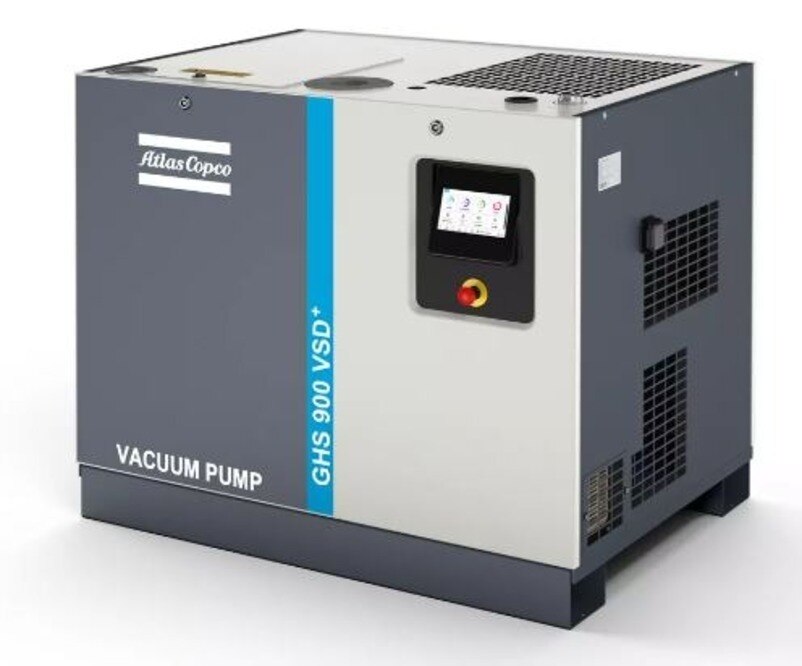
A complete package can contain the Roots booster, backing pump, inlet filter, non-return valve, isolation valves, vacuum gauges, oil-mist filter, control panel, base frame and interconnecting piping. Confirm which items are included; a pump-only quotation can leave you to source controls, valves and exhaust filtration.
Specify pumping speed at the actual operating pressure, not the booster’s nominal displacement. Since throughput follows Q = pS, the same pump removes different gas loads as pressure changes.
A rotary-vane pump’s blank-off pressure assumes clean oil, closed gas ballast and no process vapour; water, leaks, contaminated oil or open gas ballast raise the operating pressure.
For automotive equipment, distinguish brake-booster testing, leak testing, vacuum filling and battery production before comparing oil sealed vacuum pump booster pumps in bangalore. Each application imposes a different gas load and cleanliness limit.
Choose the pump from pressure, gas load, and process cleanliness
A booster improves performance when the chamber needs high pumping speed at a defined operating pressure, not merely a lower catalogue ultimate pressure. Specify pumping speed at that pressure because throughput follows Q = pS; nominal displacement alone cannot predict pump-down time.
Keep the Roots booster above its permitted start-up pressure, or the backing-pump motor can overload.
Choose from the process gas load first. Brake-booster testing, vacuum filling, leak testing, thermoforming, pneumatic tooling, and battery or powertrain production impose different vapour loads, leakage rates, and cycle pressures. Automotive vacuum pump equipment therefore needs an application-specific selection, not an automatic oil-sealed package.
| Option | What it means | When it applies |
|---|---|---|
| Single-stage oil-sealed | Simple rotary-vane pump with moderate ultimate vacuum | Intermittent evacuation, modest pressure targets, and manageable vapour |
| Two-stage oil-sealed | Two vane stages in series for lower ultimate pressure | Deeper vacuum, tighter leak testing, or faster recovery after venting |
| Booster with backing pump | Roots stage increases speed over its operating range; the backing pump handles compression | Large chambers, high gas loads, and short pump-down cycles |
| Dry scroll, claw, or screw | No oil in the compression path | Clean assembly, battery production, particle-sensitive testing, or oil-sensitive products |
Select a dry pump when oil carryover, particles, or repeated atmospheric venting threatens product quality. Use an oil-sealed pump when purchase simplicity and deep vacuum outweigh contamination controls, then request the oil type, allowable vapour load, exhaust filtration, and service interval in writing.
How to find a configured supplier and confirm Bangalore availability
Obtain the package from a Bangalore vacuum-equipment supplier that can engineer and commission the complete system, not from a seller offering a pump alone.
Search for an oil sealed vacuum pump supplier in bangalore, then ask whether the quotation includes the Roots booster, oil-sealed backing pump, inlet filter, non-return valve, gauges, isolation valves, oil-mist filter, control panel, base frame and interconnecting piping.
Airprax Pneumatics LLP can be one supplier to include in that comparison because the useful question is whether its proposed package matches your process, utilities and commissioning requirements—not whether a similar pump is listed locally.
Verify vacuum pump availability in bangalore with a written, model-specific confirmation:
1. Record the exact booster and backing-pump model, inlet size, oil specification, seal kit, valves, gauges, controller and accessories. “Equivalent model available” does not confirm your configuration.
2. Request the selection basis: ultimate pressure, pumping-speed curve, chamber volume, gas-load calculation, allowable vapour load, exhaust arrangement, noise level, service interval and commissioning responsibility.
3. Split the lead time into pump stock, booster stock, panel fabrication, imported spares and site commissioning. A pump in a regional warehouse is not an immediately dispatchable package.
4. Confirm 415 V, three-phase, 50 Hz supply, motor protection, earthing, phase sequence and available short-circuit rating. Obtain the booster’s allowable differential pressure and start-up pressure from its datasheet; starting it against excessive pressure can overload the motor.
Related product
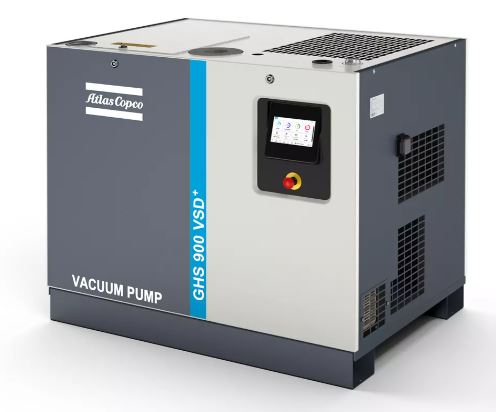 | Vacuum Products Airprax Pneumatics LLP, Bangalore, offers reliable oil sealed vacuum pumps designed to generate consistent and efficient vacuum performance for a... View product → |
Inspect the quotation, installation plan, and contamination controls
Confirm the quotation against the operating point, electrical supply, installation work, and service responsibility before you place the order. Require pumping speed at your actual pressure, not only nominal booster displacement; throughput follows Q = pS.
The datasheet must state allowable differential pressure and booster start-up pressure, because starting against excessive pressure can overload the motor.
Request these details in writing:
- Booster and backing-pump models, inlet size, ultimate pressure, motor ratings, 415 V three-phase 50 Hz compatibility, phase sequence, earthing, overload protection, and required short-circuit rating.
- Bypass or pressure-relief protection, non-return isolation, controlled venting, vacuum gauges, isolation valves, and the control-panel logic.
- Base-frame dimensions, weight, lifting points, service clearances, exhaust routing, ventilation, foundation requirements, interconnecting piping, and commissioning responsibilities.
- Oil grade and charge, oil-mist filtration, replacement intervals, recommended inlet-filter elements, critical spares, response time, and warranty exclusions.
- Separate lead times for the booster, backing pump, panel fabrication, imported spares, valves, gauges, and site commissioning.
| Contamination control | Protects against | Confirm before ordering |
|---|---|---|
| Inlet filter | Particles entering the pump | Filter rating, housing size, element replacement access |
| Separator or trap | Liquid and process vapour loading | Drain method, temperature limits, condensate handling |
| Oil-mist filter | Oil aerosol leaving the exhaust | Element life, pressure-drop alarm, safe exhaust connection |
For automotive vacuum equipment, identify the process—brake-booster testing, leak testing, vacuum filling, or battery production—so an oil-sealed vacuum pump booster package is not accepted without its cleanliness and vapour-loading limits.
Accept the package and calculate its ownership effort
Before accepting delivery, match the crate labels to the purchase order. “Vacuum pump availability in Bangalore” must mean your exact model, voltage, oil specification, controller, seal kit, and accessories—not an equivalent unit at a regional warehouse.
Request a written selection and handover record containing:
- Ultimate pressure and pumping-speed curve
- Gas-load calculation and allowable vapour load
- Inlet connection and exhaust arrangement
- Oil type and initial oil quantity
- Noise level and motor-overload setting
- Service interval and recommended spare-parts list
- Responsibility for installation, commissioning, and performance testing
Commission with the inlet isolated, confirm rotation, fill the specified oil level, test the non-return valve and pressure-relief or bypass protection, then record pump-down time at the actual operating pressure. Compare speed there, not the booster’s nominal displacement; Q = pS changes as pressure changes.
A cold start, blocked filter, or uncontrolled vent can damage the package before production begins.
Budget ownership by separating lead time for the backing pump, booster, control-panel fabrication, imported spares, and site commissioning. Hold oil, exhaust-filter elements, inlet-filter elements, seal kits, gaskets, and couplings according to failure impact and supplier lead time, then schedule oil checks and service by operating hours and vapour exposure.
Require a site survey for long pipe runs, uncertain electrical supply, liquid or solvent vapour, shared exhaust, lifting restrictions, or automotive vacuum pump equipment used across different test cells. Skip it only when drawings, utilities, gas load, floor space, and exhaust routing are already verified.
Frequently asked questions
What does an oil-sealed vacuum pump booster package contain?
It contains a Roots booster, an oil-sealed rotary-vane or piston backing pump, connecting pipework, isolation or bypass valves, controls, gauges, and protection against excessive differential pressure.
How do you choose the correct vacuum pump booster package?
Start with the required operating pressure, gas load, pumping speed, vapour content, and acceptable contamination level. Check that the backing pump can maintain the booster’s permitted inlet-to-outlet pressure difference.
How can you confirm vacuum pump availability in Bangalore?
Ask the supplier to confirm the exact model, pump configuration, lead time, installation location, commissioning date, and local service and spare-parts support in writing.
What should you inspect in a booster-pump quotation?
Check the pump curves, motor ratings, valves, gauges, controls, pipe sizes, oil specifications, filters, warranty scope, installation exclusions, commissioning tests, and contamination-control measures.