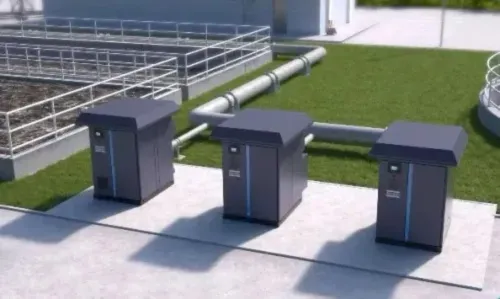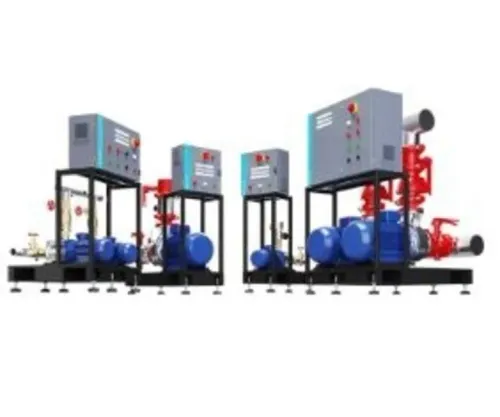

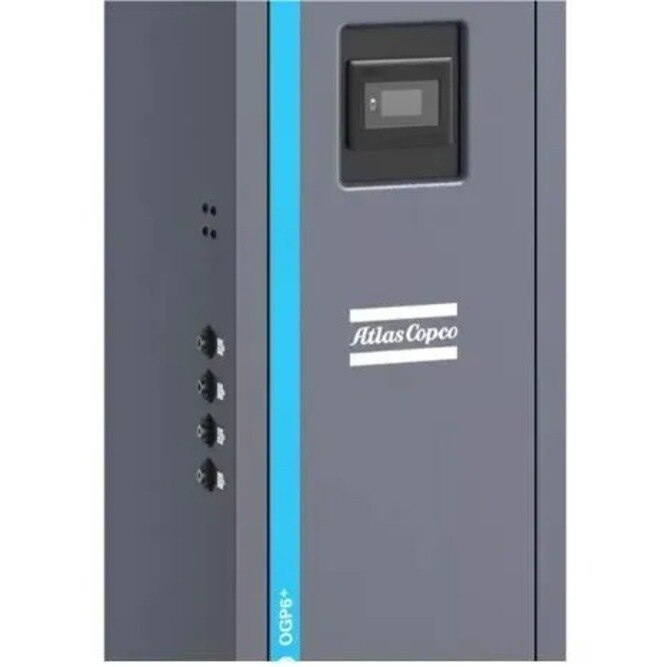
An industrial oxygen generator does more than separate air: its compressor, dryer, filters, molecular-sieve beds, receiver, analyser and controls must work as one system at the specified flow and pressure. By the end, you will be able to follow the production cycle, calculate your demand, compare PSA with delivered oxygen, and check whether an installation is ready for safe operation.
Key takeaways
- PSA beds separate oxygen from compressed air using zeolite molecular sieves.
- Specify flow, purity, pressure, peak demand and storage before choosing equipment.
- Use oxygen analysers, pressure relief devices and interlocks to control site risks.
- Choose PSA over VPSA, cryogenic or delivered gas based on demand and logistics.
How PSA turns compressed air into oxygen
A PSA oxygen generator turns compressed air into an oxygen-rich product by removing nitrogen. An intake filter catches dust, then the air compressor raises pressure. A refrigerated or desiccant dryer removes moisture; particulate and coalescing filters reduce solids, water aerosol and oil carryover. The treated air enters one of two zeolite molecular-sieve beds.
Zeolite preferentially adsorbs nitrogen, allowing oxygen-rich gas to pass into the product receiver.
The oxygen generator operating steps follow this sequence:
- Inspect utilities, alarms, drains and filter condition.
- Start the compressor and confirm automatic condensate removal.
- Bring the dryer and filters into service.
- Pressurise the first sieve bed while the second regenerates.
- Fill the oxygen receiver as the beds alternate adsorption and depressurisation.
- Where fitted, use pressure equalisation to reduce gas losses and steady the cycle.
- Verify oxygen concentration, pressure and dew point before opening the process-use valve.
During regeneration, nitrogen-rich reject gas leaves through a vent as the bed depressurises. The vent must not discharge into an occupied area.
On shutdown, isolate the user, run the manufacturer’s standby sequence or depressurise as specified, and drain condensate. Accept product only after an oxygen analyser confirms the required concentration; high- and low-purity alarms are part of the control scheme. A running machine alone does not prove acceptable oxygen.
What equipment protects oxygen quality and site safety
A clogged filter can starve the sieve beds before the generator stops, reducing oxygen output and purity. Reliable on site oxygen generation equipment depends on the complete air train, not the PSA vessel alone.
- Compressor and air receiver
- Automatic condensate drains
- Dryer
- Particulate filters
- Coalescing filters
- Differential-pressure indicators
Record filter differential pressure and test every drain during maintenance. Oil aerosol, liquid water, compressor heat and dust shorten molecular-sieve life or contaminate the product. Keep the compressor intake away from solvent vapour, oil mist and corrosive fumes.
| Option | Protection burden | Decision point |
|---|---|---|
| Oil-free compressor | Reduces oil carry-over, but still needs drying, filtration and oxygen-service verification | Choose it when contamination control and maintenance simplicity justify its cost |
| Oil-lubricated compressor | Requires a documented filtration, drain, monitoring and oil-carryover control package | Accept it only after verifying product quality at the specified flow |
On the product side, install an oxygen receiver, analyser, pressure regulator, relief valves and isolation valves. Clean and assess every oxygen-exposed pipe, hose, lubricant and instrument; ordinary compressed-air parts are not automatically suitable.
Treat oxygen enrichment above 23.5% by volume as a fire hazard. Provide ventilation, controlled reject-gas venting, no-smoking rules, ignition-source control and oxygen-enrichment monitoring where the room layout or leak scenario warrants it. Nitrogen-rich exhaust is not an oxygen outlet and must never discharge into an occupied area.
How to size output, purity, pressure and storage
How oxygen generators work for industry in Tumkur matters less than how the plant actually consumes oxygen. Size against the load profile, not the compressor motor nameplate or average consumption.
1. List every connected user: furnace enrichment, brazing, wastewater aeration and sheet-metal cutting. Record each user’s normal flow, peak flow, operating hours, simultaneous use, required inlet pressure and required oxygen purity.
2. State flow in the supplier’s units, such as Nm³/h, and write down the reference temperature and pressure. PSA oxygen commonly measures 90–95% by volume, but specify the guaranteed purity at the required flow, not a no-load reading.
3. Request the guaranteed flow-pressure-purity point, dew-point limit, turndown range and site-condition derating. Purity can fall when demand exceeds rated output or when cycle settings, inlet pressure or feed-air quality change.
4. Size an oxygen receiver for rapid demand changes. A cutting machine can meet its average Nm³/h figure yet lose pressure during piercing bursts, so check the regulator, pipe diameter, pipe length and fittings for pressure drop.
Add a documented future-expansion margin. Decide whether standby cylinders or a liquid-oxygen connection will cover compressor trips, maintenance and unusually high demand. The specification should also state the analyser, alarm outputs and allowable moisture or contaminants; medical oxygen requires separate validation and quality controls.
When PSA is preferable to VPSA, cryogenic oxygen or delivered gas
Choose PSA when your Tumkur plant has a small or variable oxygen load and needs pressurised gas at the process connection. The best option depends on demand profile, purity, pressure and delivery risk, not oxygen price alone.
| Option | Operating model | Best fit | Main trade-off |
|---|---|---|---|
| PSA | Compressed air passes through zeolite beds; oxygen is stored under pressure | Smaller or variable loads needing useful outlet pressure | Compressor, dryer and cooling electricity; sieve and filter maintenance |
| VPSA | A blower supplies adsorption air and a vacuum pump regenerates the sieves | Larger, relatively steady oxygen demand | Different pressure and flow characteristics, plus blower and vacuum-pump power |
| Cryogenic | Air is cooled to very low temperatures and liquefied components are separated | Large-volume, high-purity supply | Much larger plant, cryogenic storage and specialised operation |
| Cylinders or liquid oxygen | Cylinders provide gas directly; liquid oxygen needs a tank, vaporiser and deliveries | Low or intermittent use, or backup | Handling, storage space, delivery dependence and interruption risk |
Compare compressor, dryer and cooling power with filter and analyser replacement, calibration, sieve life, planned downtime, startup oxygen losses, backup supply, floor space and delivery risk. Regular demand often strengthens the case for on-site PSA; intermittent low consumption can favour delivered gas.
Specify whether the oxygen serves cutting, brazing, furnace enrichment or aeration. Medical oxygen has separate purity, contamination, validation, quality-management and pipeline requirements; industrial PSA oxygen is not automatically suitable.
What an oxygen generator installation in Tumkur must prove
Before accepting an oxygen generator installation in Tumkur, require a site survey, not just a foundation check. Record ambient temperature, dust, electrical capacity, compressor-room ventilation, drainage, noise, maintenance access, and the oxygen pipeline’s route, material and length. High heat can reduce compressor capacity and increase the load on cooling and drying equipment.
1. Check the intake air location. Keep it away from solvent vapour, oil mist and corrosive fumes. Confirm compressor ventilation, automatic-drain discharge and electrical protection before starting the system.
2. Commission the complete system. Leak-test the pipework, verify pipe cleanliness, calibrate or bump-test the oxygen analyser, and measure purity at the actual design flow—not at no load. A running generator does not prove acceptable oxygen quality.
3. Test the controls under fault conditions. Trigger the high- and low-purity alarms, high-pressure trips, relief devices and automatic drains. Simulate loss of power and confirm that valves and the product supply move to the documented safe state.
4. Record baseline oxygen purity, pressure, flow, dew point, power consumption and filter differential pressure. Confirm that the nitrogen-rich reject vent cannot discharge into an occupied space and that the room has suitable ventilation and fire controls.
A systems provider such as Airprax Pneumatics LLP can coordinate the compressor, dryer, filters, receiver, analyser, piping and commissioning checks as one system. Demand P&IDs, manuals, calibration records, alarm setpoints, maintenance intervals and the guaranteed operating point in the handover file. Recheck performance at normal simultaneous demand.
Related product
 | Compressor Products Airprax Pneumatics LLP, Bangalore, offers reliable oxygen generators designed to produce oxygen on-site from atmospheric air for a wide range of... View product → |
Frequently asked questions
How does an industrial PSA oxygen generator work?
A compressor sends filtered, dried air through alternating zeolite molecular-sieve beds. The zeolite adsorbs nitrogen, allowing oxygen-rich gas to leave the active bed while the other bed regenerates during depressurisation.
What equipment protects oxygen quality and site safety?
The system needs intake, particulate and coalescing filters, a suitable dryer, oxygen analysers, pressure controls, relief devices, non-return valves and alarms. Keep oil and incompatible materials away from oxygen service and document maintenance.
How do you size an oxygen generator for a factory?
Define average and peak oxygen flow, required purity, delivery pressure, operating hours, feed-air conditions and storage autonomy. Check the generator, compressor, dryer, receiver and pipework as one system rather than sizing the generator alone.
When is PSA better than VPSA, cryogenic oxygen or delivered gas?
PSA suits steady on-site demand at moderate flow and purity with limited logistics. Compare VPSA for larger oxygen demand, cryogenic supply for very high-volume or high-purity requirements, and delivered gas when demand is intermittent or installation space is limited.
What must an oxygen generator installation in Tumkur prove?
The installation must demonstrate the specified oxygen flow, purity and pressure under operating conditions, plus alarm and shutdown operation, leak-free pipework, adequate ventilation, safe materials, pressure protection and completed commissioning records.